
Non-Invasive Health Care - St. Augustine
Call 904-429-7750
1750 Tree Blvd. Ste 8, St. Augustine, FL 32084
Call 904-429-7750
1750 Tree Blvd. Ste 8, St. Augustine, FL 32084
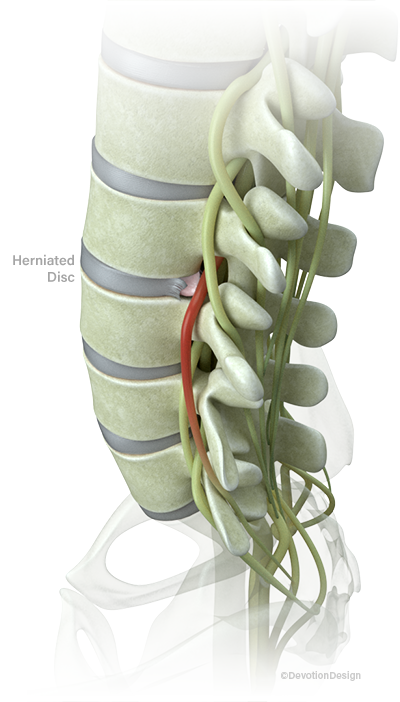
A herniated disc is an injury or irritation involving one of the cushioning discs between the bones of the spine. These spinal discs help absorb stress, allow movement, and protect the vertebrae during daily activity. When a disc becomes damaged, weakened, or irritated, it may place pressure on nearby nerves and cause pain in the back, neck, arms, legs, or other areas of the body.
At St. Augustine Spine Center in St. Augustine, Florida, our team provides conservative, non-surgical care for patients with herniated discs, bulging discs, pinched nerves, sciatica, and related spinal conditions. The goal is to help reduce pressure, improve mobility, and support better function without surgery or long-term reliance on powerful medication.
A disc herniation occurs when the inner portion of a spinal disc pushes through or irritates the outer layer of the disc. This can happen from trauma, repetitive strain, poor posture, degeneration, or years of accumulated stress on the spine.
Most herniated discs occur in the lower back, although they can also occur in the neck. Where symptoms are felt depends on the location of the herniation and which nerve structures are involved. A herniated disc in the lower back may cause pain that travels into the buttock, thigh, calf, or foot. A herniated disc in the neck may cause symptoms that travel into the shoulder, arm, hand, or fingers.
Herniated disc symptoms can vary from mild discomfort to severe pain. Some patients experience pain only in the spine, while others develop radiating nerve symptoms that travel away from the affected disc.
A bulging disc and a herniated disc are related but not exactly the same. A bulging disc usually means the disc extends outward beyond its normal boundary while the outer layer remains mostly intact. A herniated disc typically involves a tear, weakness, or injury in the outer disc fibers that allows inner disc material to move outward and irritate nearby nerves.
Both conditions can contribute to pain, inflammation, nerve irritation, and reduced mobility. The best treatment approach depends on the location of the disc problem, the severity of symptoms, and the patient’s overall health history.
Disc problems may develop suddenly after an injury or gradually over time. In many cases, a herniated or bulging disc is related to a combination of spinal stress, disc degeneration, inflammation, and poor mechanics.
Yes. A herniated disc in the lower back may irritate or compress nerves that contribute to the sciatic nerve. This can create pain that travels from the lower back into the buttock, hip, thigh, calf, or foot. Some patients describe sciatica as burning, shooting, electric, or sharp nerve pain.
Sciatica may also include numbness, tingling, weakness, or discomfort that worsens with sitting, bending, lifting, or standing for long periods of time. Because symptoms can overlap with other spinal and nerve conditions, a proper evaluation is important before beginning care.
St. Augustine Spine Center provides non-surgical treatment options for patients with herniated discs, bulging discs, pinched nerves, sciatica, and related spinal pain. Care may include spinal decompression therapy, chiropractic care, physiotherapy, therapeutic exercise, posture support, and other conservative approaches based on the patient’s condition.
Non-surgical spinal decompression may be used to help reduce pressure on affected discs and surrounding nerve structures. Treatment is customized based on the location of the disc problem, patient symptoms, examination findings, and response to care.
Spinal decompression therapy applies controlled, gentle decompressive force to targeted areas of the spine. The goal is to help reduce pressure on affected spinal discs and nerve structures. For appropriately selected patients, this may support improved comfort, mobility, and function.
Decompression may also help create a pressure change within the disc space that supports the movement of fluids and nutrients into affected areas. This conservative approach is designed for patients looking for non-surgical options for herniated disc pain, bulging disc pain, sciatica, and pinched nerve symptoms.
St. Augustine Spine Center provides non-surgical herniated disc and bulging disc treatment for patients throughout St. Augustine, St. Johns County, Ponte Vedra Beach, Palm Coast, Vilano Beach, Hastings, and surrounding Northeast Florida communities.
If back pain, sciatica, neck pain, numbness, tingling, or disc-related symptoms are interfering with work, sleep, driving, walking, or daily activity, call 904-429-7750 or request a consultation online.

Herniated Disc? We can help!
The doctors and staff at St. Augustine Spine Center are excited to help you improve your health and work toward a more active lifestyle. Please enter your information in the form below.
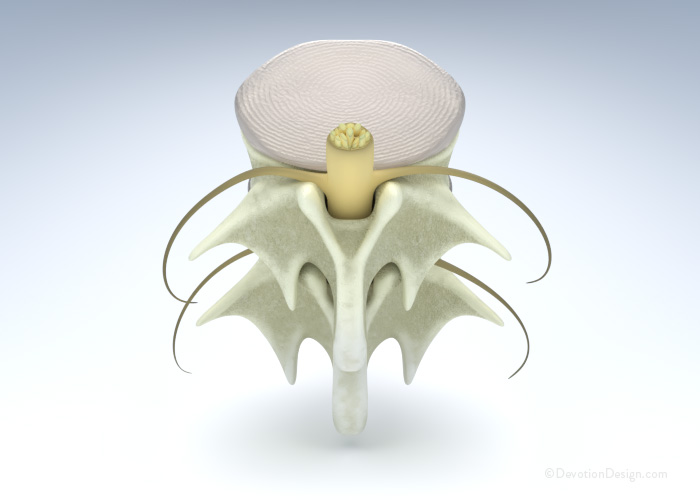
An intervertebral disc lies between adjacent vertebrae in the spine. Each disc helps allow movement and functions as a shock absorber for the spine.
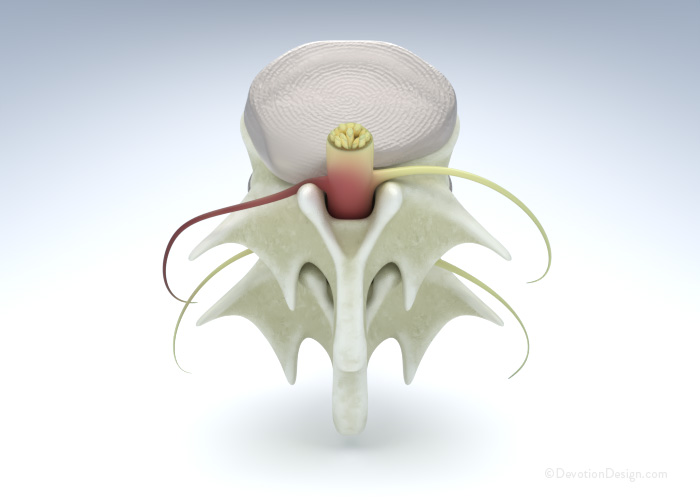
A bulging disc occurs when the outer layers of the intervertebral disc remain mostly intact but extend outward while the disc is under pressure.
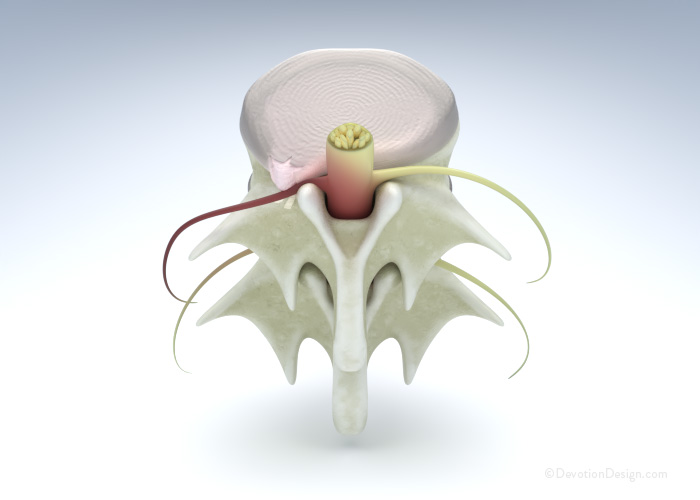
A herniated disc occurs when the inner disc material pushes outward through a tear or weakened area in the outer disc fibers and may irritate nearby nerves.
A herniated disc occurs when the soft inner portion of a spinal disc pushes through or irritates the outer layer of the disc. This can place pressure on nearby nerves and may cause back pain, neck pain, sciatica, numbness, tingling, or weakness.
A bulging disc generally means the disc is extending outward while the outer layer remains mostly intact. A herniated disc typically means the inner disc material has pushed through a tear or weakened area in the outer layer.
Yes. A herniated disc in the lower back can irritate or compress nerves that contribute to the sciatic nerve, which may cause pain, burning, numbness, or tingling that travels into the buttock, leg, or foot.
No. Many patients explore conservative, non-surgical care first. A consultation and examination can help determine whether non-surgical options such as spinal decompression, chiropractic care, or physiotherapy may be appropriate.
A consultation and evaluation can help determine whether non-surgical herniated disc treatment may be appropriate based on your symptoms, health history, examination findings, and treatment goals.
The American College of Physicians strongly advises against the use of opioids to relieve back pain.

© St. Augustine Spine Center. All rights reserved. | Legal Notes | Privacy Policy | No Surprises Act