
Call 904-429-7750

Dr. Tyler Albrecht D.C. | Dr. Erin Bailey D.C.
Call 904-429-7750
Dr. Tyler Albrecht D.C. | Dr. Erin Bailey D.C.
Neuropathy has many causes, and proper evaluation is important.
Patients come to us with many types of peripheral neuropathy symptoms. Neuropathy may be associated with diabetes, medication side effects, circulatory problems, certain vitamin deficiencies, traumatic injuries, infections, metabolic conditions, toxin exposure, and other contributing factors. In some cases, there may be no clear risk factor.
Our first step is to evaluate your specific case during a no obligation consultation to determine whether your symptoms may be related to a type of peripheral neuropathy our office may be able to help. Treatment outcomes vary based on the cause, severity, and duration of neuropathy symptoms.
Our goal is to help reduce pain, numbness, tingling, burning sensations, and other neuropathy-related symptoms.
Many patients seek care because neuropathy symptoms interfere with sleep, walking, daily activity, balance, comfort, and quality of life. Our program is designed to support symptom improvement and better function when appropriate.
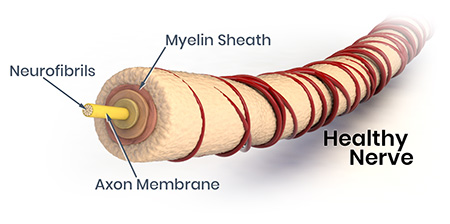
Neuropathy is a condition involving irritation, damage, or dysfunction of the nervous system. It may cause numbness, tingling, burning, aching, cramping, prickling, pins-and-needles sensations, or sharp electric-like pain.
Neuropathy can result from problems such as traumatic injuries, infections, metabolic conditions, toxin exposure, medication effects, and other health factors. One of the most common causes is diabetes.
Poor circulation may also be a contributing factor. Patients with diabetes may be more susceptible to neuropathy because elevated blood sugar levels can affect small blood vessels that deliver oxygen and nutrients to nerves.
Peripheral neuropathy occurs when nerves in the extremities become irritated, damaged, or dysfunctional. This can interfere with normal communication between the brain, spinal cord, skin, muscles, and other parts of the body.
This condition commonly affects the legs, feet, arms, and hands. Symptoms may include numbness, burning pain, tingling, pins-and-needles sensations, leg cramping, freezing sensations, prickling, and sharp electric-like pain.

Neuropathy Pain Help
The doctors and staff at St. Augustine Spine Center are excited to help you improve your health and work toward a more active lifestyle. Please enter your information below.
Schedule your no obligation consultation today!
Call 904-429-7750
*Due to federal law, some restrictions apply to offer. Medicare rules apply.
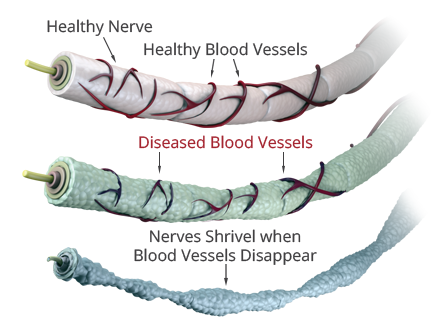
Peripheral neuropathy can be associated with traumatic injuries, infections, metabolic problems, toxin exposure, diabetes, circulation issues, and other medical conditions.
Because nerves are responsible for transmitting signals between the brain, spinal cord, and body, nerve irritation or damage can lead to pain, numbness, tingling, burning, balance problems, and reduced sensation.
Neuropathy may be progressive for some patients, meaning symptoms can worsen over time. Early evaluation is important because the longer nerve-related symptoms are ignored, the more difficult they may become to manage.
A consultation can help determine whether our non-invasive peripheral neuropathy program may be appropriate based on your symptoms, health history, examination findings, and treatment goals.


© St. Augustine Spine Center. All rights reserved. | Legal Notes | Privacy Policy | No Surprises Act